Speaking confidence
Speech on the Importance of English: The Words That Open Doors
A speech on the importance of English you can actually deliver: 1-minute and 3-minute versions, a short essay, 10 lines and how to say it with confidence.

There is a moment most of us know. You are in a classroom, an interview room or a meeting, you know exactly what you want to say, and the English words will not come. A speech on the importance of English is usually assigned as a school or college task, but the topic is not academic at all. It is about that moment, and about what changes when the words start coming.
This post gives you the speech itself, in a short form you can say in a minute and a fuller form for three, along with a written essay, ten lines for a quick answer, and the delivery habits that make a speech sound like you rather than a page. Read it once, then say it aloud. That second step is the whole point.
Why English still changes lives in India
English did not become important because it is beautiful or easy. It became important because it is where things happen. Most college textbooks, research papers and online courses are written in it. Most interviews in corporate offices, hospitals, hotels and call centers are held at least partly in it. And in a country with hundreds of languages, it is often the one that lets a nurse from Kerala, an engineer from Punjab and a shopkeeper from Assam work on the same team.
None of that makes English better than Hindi, Tamil, Bengali or any mother tongue. Your own language is your identity. English is a tool, and like any tool it rewards the people who pick it up every day. That idea sits at the center of every version of the speech below.
A 1-minute speech on the importance of English
About 140 words. For a morning assembly, an extempore round or any time you are asked to "say a few words". Speak slowly and pause at the end of each paragraph.
Good morning, respected teachers and my dear friends. Today I want to speak about the importance of English.
English is more than a subject in school. It is a bridge. It connects a student in Patna with a company in Bengaluru and a customer in London. Most higher education, science and technology is shared in English. Many job interviews in India are held in English too.
English also gives us confidence. When we can speak it well, we can share our ideas, ask questions and stand up for ourselves.
But learning English does not mean forgetting our mother tongue. Our own language is our root. English is a wing that helps us fly further.
So let us practice English every day, without fear of mistakes. Every sentence we speak makes us better. Thank you.
A 3-minute speech on the importance of English language
About 400 words, built in five parts: an opening that makes people listen, three reasons, and a closing line they will remember. Pause for a breath between parts.
Opening. Good morning to everyone present here. Imagine sitting in an interview room. You know the answer, but the words do not come out. Many of us have felt this, in a classroom, in a meeting or on a phone call. That is why I want to talk today about the importance of English in our lives.
Jobs and careers. In India, English is often the language of the workplace. Interviews, emails, client calls and presentations in many companies happen in English. Two people may have the same skills, but the one who can explain their ideas clearly in English often gets noticed first. Think of a fresher who knows the answer to every technical question but freezes when asked to introduce herself. English does not replace talent. It helps talent get heard.
Education. Most college textbooks, research papers and online courses are available in English. When we are comfortable with English, we can learn from the best teachers in the world through a phone screen, at any hour, often for free. Competitive exams, scholarships and study-abroad options become easier to reach. A student who reads English well is never limited to the books in one library.
Global communication. English is spoken by people in many countries, as a first or second language. It is the common language of the internet, travel, aviation and international business. India itself has many languages, and English often helps people from different states understand each other. A nurse from Kerala, an engineer from Punjab and a shopkeeper from Assam can work together because they share it. With English, we can make friends, share our culture and tell India's stories to the world.
Closing. Friends, English is a tool, not a test of how smart we are. Our mother tongue is our identity, and English is a window to the world. We can keep both. The secret to learning English is simple: speak it every day, make mistakes, and keep going. Confidence comes from practice, not perfection. Let us promise ourselves that from today we will speak a little more English every day. Thank you.
Short essay on the importance of English
About 250 words, for written assignments. The same three reasons, in essay voice, without greetings.
English is one of the most widely used languages in the world and the most important link language in India. For a country with hundreds of languages, it gives students, professionals and businesses a common ground. The importance of English language today comes from three areas of life: work, education and communication across borders.
At work, English is the language of most interviews, emails, reports and client conversations in Indian companies. A candidate who can describe their skills clearly in English has an advantage, not because English makes anyone more talented, but because it allows talent to be understood. In education, most textbooks, research papers, entrance exams and online courses are written in English. A student who reads and speaks it comfortably can learn from universities and teachers anywhere in the world. In communication, English connects India to the global economy and connects Indians to each other. A team in Hyderabad can serve a customer in Germany, and two colleagues from different states can plan a project without a translator.
None of this makes English better than Hindi, Tamil, Bengali or any other Indian language. Our mother tongue carries our culture and identity. English is simply an additional skill that widens opportunity. The good news is that it is a skill, not a gift: the people who speak it well are the people who practiced it, made mistakes and kept going. English is a skill anyone can build with daily speaking practice.
10 lines on the importance of English
For a quick answer, a slide or a younger sibling's homework. One idea per line.
- English is spoken in many countries around the world.
- It is the common language of the internet, science and business.
- Most higher education books and online courses are written in English.
- Many job interviews in India are held in English.
- English helps people from different states talk to each other.
- Speaking English confidently helps us share our ideas.
- It makes travel and study abroad easier.
- Knowing English does not mean forgetting our mother tongue.
- English is a skill, and skills grow with daily practice.
- Every sentence we speak aloud makes our English stronger.
How to deliver this speech so people actually listen
The speech above has been read by thousands of students who then stood up and mumbled it at the floor. The text is the easy part. These six habits are what turn it into a speech.
Practice out loud, not in your head
Reading silently trains your eyes, not your mouth. Say the whole speech aloud at least five times before the day, and record one attempt on your phone. If you have no one to rehearse with, our guide to practicing spoken English alone at home shows how to do it by yourself.
Pause after each point
Take a full breath at the end of every paragraph. The pause feels long to you and natural to the audience, and it gives them time to absorb the point.
Make eye contact with three parts of the room
Pick one person on the left, one in the middle and one on the right, and move your eyes between them. You will look confident before you feel it.
Start strong
Open with a question or a two-line story, as the longer speech does. The first ten seconds decide whether people listen to the rest.
End with one clear line
Your last sentence is the one people remember. Slow down, say it clearly, then stop. Do not add "that's all" or "so, yeah".
Time yourself
One minute is about 130 to 150 words at a relaxed pace; three minutes is about 400. If you finish early, you were rushing.
From reading the speech to owning it: practice with SpeakX
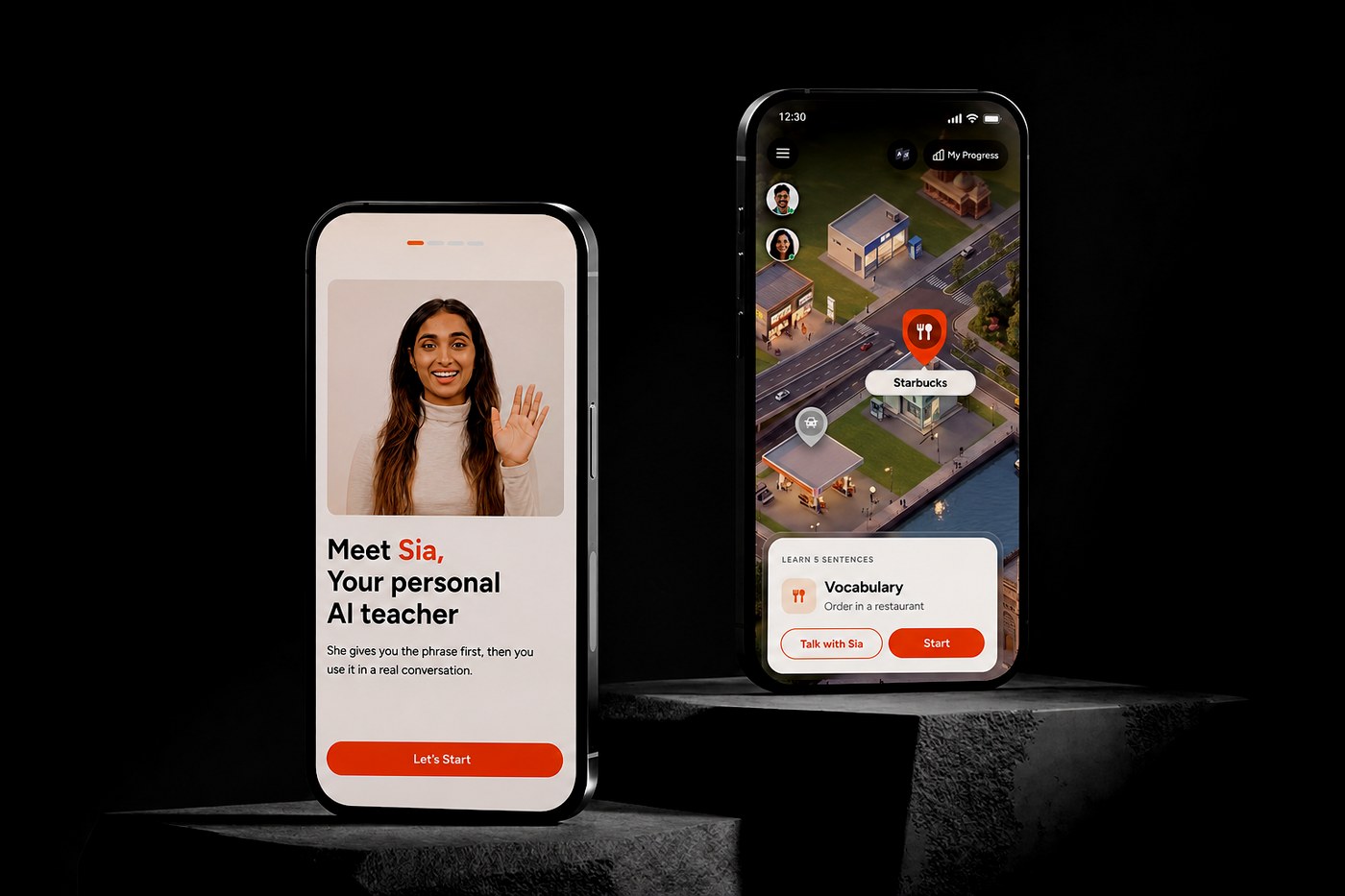
Here is the honest truth about every speech page on the internet, including this one: reading a speech is not the same as saying it. The students who deliver it well are the ones who said it aloud, got something wrong, and said it again. That is exactly what SpeakX is built for. It is an AI English speaking app for Indian learners. You talk to Sia, an AI speaking partner, on a voice call, and she listens, replies and keeps you going. Copy the 1-minute speech above, open SpeakX, and say it to Sia. The progress report shows how your fluency, vocabulary, grammar and pronunciation landed, with explanations in Hindi and six other Indian languages, so you know what to fix before the real day.
Then go one step further. The same confidence you need for this speech is what an interviewer listens for, so try the job interview roleplay next. SpeakX is free to download and start, and about 15 minutes a day is enough. If pronunciation is the hard part, our guide to English pronunciation difficulty covers the sounds Indian speakers find hardest, and if the speech is for a placement round, our English interview questions for freshers and the guide to improving fluency for job interviews take you the rest of the way.
Frequently asked questions
What is the importance of English language?
English is the common language of higher education, business, science, technology and the internet. It lets people from different countries, and different Indian states, understand each other. For students and professionals it opens access to textbooks, online courses, interviews and global careers, while their mother tongue remains their identity.
What is the importance of English in our life?
In daily life English helps you read forms and websites, speak to doctors, banks and customer care, travel outside your state, and follow news from around the world. It also builds confidence: being able to express your ideas in English means you are heard in more rooms.
What is the importance of English in India?
India has hundreds of languages, and English works as a link language between states, in higher education and in most large workplaces. Many competitive exams, college courses and job interviews use English, so it is a practical skill for study and work, not a replacement for Indian languages.
What is the vocational importance of English?
Vocational importance means how English helps you earn a living. Interviews, emails, client calls and presentations in many Indian companies happen in English. Workers who explain their ideas clearly in English are noticed first and can take up roles that serve customers in other states or countries.
Is knowledge of English important to get a job?
For many jobs in India, yes. Most interviews in corporate, IT, hospitality, healthcare, sales and customer-service roles are held partly or fully in English. Skills still matter most, but basic spoken English is often the filter that decides whether your skills get a chance to be seen.
How do I start a speech on the importance of English?
Start with a greeting, then one line that makes people listen: a question, a short story or a surprising idea. For example: imagine sitting in an interview, knowing the answer, but the words do not come out. Then state your topic in one sentence and move to your first point.
How long is a 1-minute speech?
About 130 to 150 words at a relaxed speaking pace, which is roughly eight to ten short sentences. If you speak faster you will finish early and sound rushed, so practice it aloud with a timer and keep the pauses after each point.
The last word
Pick the version that fits your time limit and say it aloud until it sounds like you. English is a tool that helps your ideas travel; your mother tongue is where they come from. For the longer plan, read our guide on how to speak English fluently. For today, say the 1-minute speech out loud once more, with Sia or on your own. The words will come.